Why a Custom-Built Website is Better Than a Template-Based One
28 September 2024
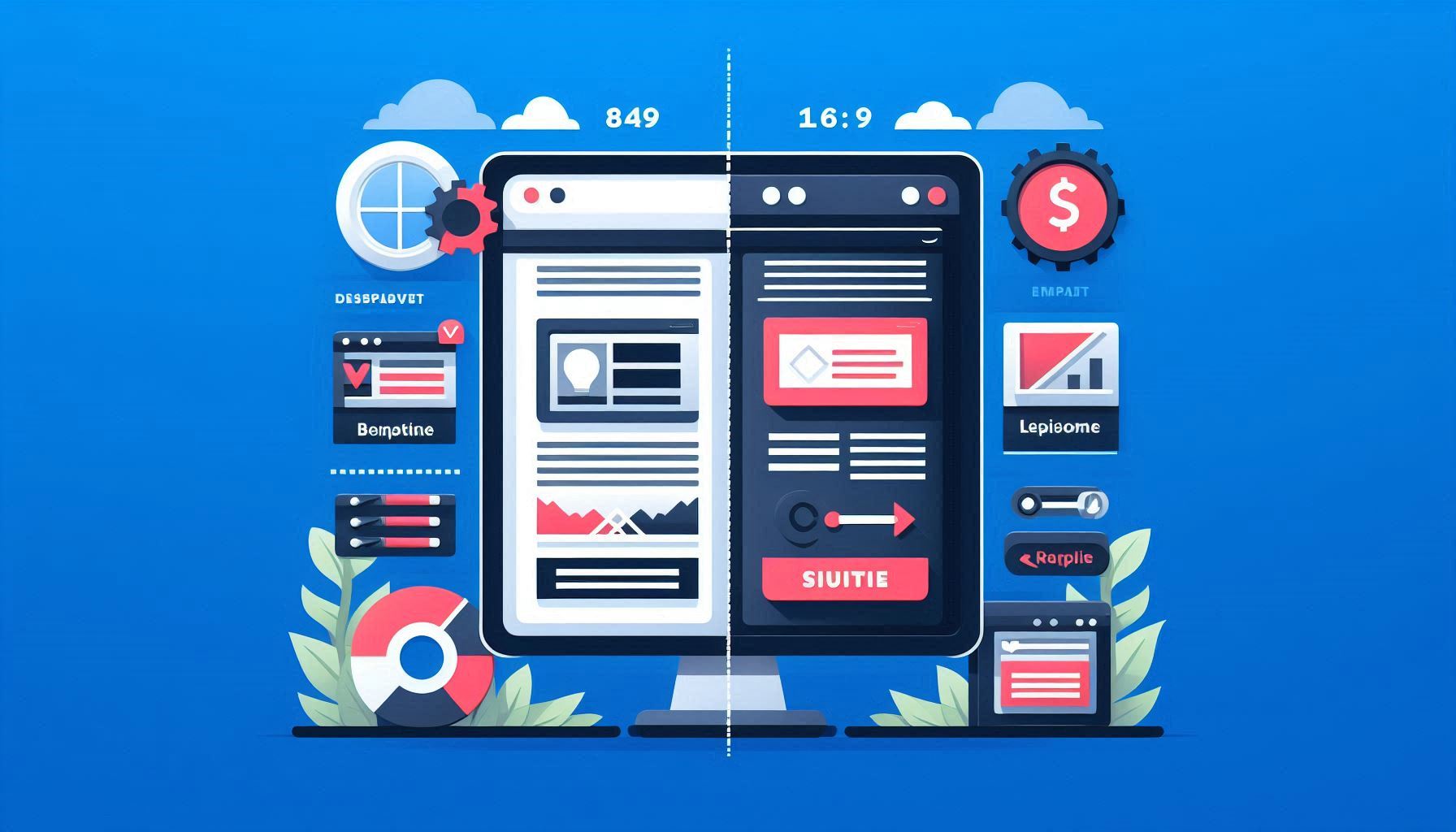
In today's digital age, having a website is essential for any business or individual wanting to establish an online presence. When it comes to building a website, many businesses face the decision of whether to use a pre-built template or opt for a custom-built solution. While template-based websites can be quick and affordable, they often come with limitations that can impact your brand's identity, user experience, and long-term scalability. In this blog, we’ll explore why a custom-built website is a better option than a template-based one.
1.Uniqueness and Branding
- One of the most significant advantages of a custom-built website is the ability to create something unique that reflects your brand identity. With a template-based website, you're restricted to the pre-designed layout, colors, and styles that may be used by countless other businesses. A custom-built website, on the other hand, can be tailored to your specific branding, offering a personalized look and feel that resonates with your audience.
- Custom websites allow you to incorporate your brand's colors, logo, typography, and other visual elements, creating a cohesive and professional online presence. This ensures that your website stands out in a crowded marketplace and leaves a lasting impression on your visitors.
2.Scalability and Flexibility
- As your business grows, so too should your website. A custom-built website offers greater flexibility when it comes to scaling and adapting to new business needs. Whether you need to add new features, integrate third-party tools, or improve site performance, a custom-built solution is designed with scalability in mind.
- With a template-based website, you're often constrained by the limitations of the template itself. Adding or removing features can be complicated and may require a complete redesign or adjustments that don’t always align with your vision. Custom websites, however, can evolve seamlessly with your business, offering more control over design and functionality.
3.Tailored User Experience (UX)
- User experience (UX) is crucial for the success of any website. A well-designed UX ensures that your visitors can navigate your site easily, find what they need, and have a positive interaction with your brand. With a template-based website, you’re restricted by the layout and structure of the template, which may not always align with the needs of your target audience.
- A custom-built website allows you to design a user experience that is optimized for your specific audience. Whether it's streamlining navigation, creating personalized content, or enhancing mobile usability, custom websites can be tailored to meet your users’ expectations and behavior. By focusing on the unique needs of your visitors, you can increase engagement, conversions, and customer satisfaction.
4.Better Performance and Speed
- Website speed is a critical factor for both user experience and SEO (Search Engine Optimization). Slow-loading websites can drive visitors away and hurt your search rankings. Template-based websites often come with unnecessary code, plugins, and features that can slow down performance.
- A custom-built website can be optimized for speed and efficiency, eliminating any unnecessary elements and ensuring that your site loads quickly. By focusing on clean, lightweight code and choosing the best performance tools, a custom website can provide a faster and more reliable experience for your users.
5.SEO Advantages
- Search Engine Optimization (SEO) is vital for increasing your website’s visibility and driving organic traffic. With a template-based website, you're limited by the structure and SEO capabilities provided by the template, which might not be optimized for search engines.
- Custom-built websites can be designed with SEO in mind from the very start. This means you can control things like URL structures, metadata, header tags, and the implementation of clean and optimized code that helps improve search engine rankings. Additionally, custom websites can be built to load quickly, which is another factor that positively impacts SEO.
6.Enhanced Security
- Security is a growing concern for website owners, especially as cyber threats become more sophisticated. Template-based websites, especially those using popular platforms, can be more vulnerable to security breaches. Hackers often target widely used templates and themes to exploit common vulnerabilities.
- A custom-built website allows developers to incorporate stronger security features tailored to your site’s needs. Custom websites can be built with secure coding practices, regular updates, and additional security measures such as SSL certificates, two-factor authentication, and more. This helps protect both your site and your visitors’ data, building trust with your audience.
7.Full Control Over Features and Functionality
- Template-based websites come with pre-defined features, and while they may offer customization options, you're often limited in terms of adding complex functionality or specific features. If you need specialized features that aren’t part of the template, you may need to find workarounds or rely on plugins that could compromise your site’s performance and security.
- With a custom-built website, you have full control over the features and functionality. Whether you need an e-commerce platform, a custom content management system (CMS), or unique integrations, a custom website can be built to meet your exact requirements. This flexibility ensures that your website can support your business's current needs while also being able to evolve as your requirements change.
8.Long-Term Investment
- While a template-based website may be cheaper and faster to set up initially, it can end up being a short-term solution. Over time, you may find yourself needing to make frequent updates, paying for plugins, or even redesigning the entire site to meet new business goals. These ongoing costs can add up quickly.
- A custom-built website, although initially more expensive, is a long-term investment that can save you money in the future. Custom websites are designed to be robust, scalable, and adaptable, meaning they can grow with your business. Plus, with a custom website, you won’t need to rely on external templates or plugins that may require additional costs or updates.
9.Conclusion
While template-based websites may offer an easy and cost-effective solution for some, custom-built websites provide significant advantages when it comes to branding, scalability, user experience, performance, and security. Custom websites allow businesses to have complete control over their online presence and can evolve as their needs grow. Investing in a custom-built website ensures that your site stands out from the competition and is tailored to provide the best possible experience for your visitors.