What Is Backend Development? A Simple Guide for Non-Technical People

When business owners talk to us about failed apps or slow platforms, the problem is rarely the design.
It’s almost always the backend.
I’ve personally audited and rebuilt backend systems for startups, SaaS platforms, and service businesses that were losing money because their systems couldn’t scale, crashed under traffic, or exposed serious security risks.
Most of them looked “fine” on the surface. Internally, they were broken.
Backend development is not just code. It is the operating system of your digital business.
In this guide, I’ll break down what backend development actually is, how it works in the real world, why it directly impacts revenue and growth, and how businesses should approach it in 2025 if they want stability, speed, and long-term scalability.
Backend Development Explained in Simple Terms

Backend development is everything that happens behind the screen when someone uses your website, app, or software.
It handles:
User logins and authentication
This handles how users securely sign up, log in, and access your platform.
It verifies identities, manages sessions, and ensures only authorized users can view or perform specific actions.
Data storage and retrieval
This focuses on how application data is saved, organized, and accessed.
A well-structured backend ensures fast queries, reliable backups, and accurate data delivery whenever users interact with the system.
Payments and transactions
This manages online payments, subscriptions, invoices, and refunds.
The backend ensures transactions are processed securely, recorded correctly, and compliant with financial and data protection standards.
Automation and business logic
This is where rules, workflows, and system intelligence live.
It automates processes like order handling, notifications, approvals, and calculations to reduce manual work and operational errors.
Integrations with third-party tools
This enables your platform to connect with CRMs, payment gateways, marketing tools, and cloud services.
Seamless integrations allow data to flow automatically between systems without manual intervention.
Security and access control
This protects your application from unauthorized access, data breaches, and system abuse.
It includes encryption, role-based permissions, and continuous monitoring to safeguard users and business data.
Performance, scaling, and uptime
This ensures your application remains fast, stable, and available as traffic grows.
Backend systems are optimized to handle high loads, prevent crashes, and deliver consistent experiences 24/7.
If the frontend is your showroom, the backend is your warehouse, accounting system, security team, and operations manager combined. When someone books a service, places an order, uploads a photo, or receives a recommendation—backend systems are doing all the heavy lifting.
Why Backend Development Is Now a Business-Critical Asset

In 2025, backend development is no longer an “IT decision.”
It is a growth decision.
Today’s users expect:
Modern users demand fast, seamless, and secure digital experiences across all devices.
Businesses must meet higher standards of performance, reliability, and personalization to stay competitive in 2025.
Instant responses
Users expect pages, apps, and features to load almost immediately.
Even small delays can increase bounce rates, reduce conversions, and damage trust in your platform.
Zero downtime
Users assume your platform will always be available, day and night.
Any outage can lead to lost revenue, frustrated customers, and long-term damage to your brand reputation.
Real-time updates
From live order tracking to instant messages and notifications, users want information to update without refreshing.
Real-time systems improve engagement, transparency, and user confidence.
Personalized experiences
Users expect platforms to adapt to their behavior, preferences, and history.
Personalization increases retention, improves conversions, and makes digital experiences feel more relevant and human.
Bank-level security
Users trust businesses with sensitive personal and financial data.
Strong encryption, secure authentication, and continuous monitoring are essential to prevent breaches and maintain customer confidence.
And businesses expect:
Automation instead of manual operations
Modern backend systems automate repetitive tasks like data entry, order processing, notifications, and reporting.
This reduces human error, lowers operational costs, and allows teams to focus on growth instead of routine work.
Systems that scale without breaking
As traffic and users increase, your platform must handle higher loads without slowing down or crashing.
Scalable backend architecture ensures consistent performance, stability, and reliability at every stage of business growth.
Data that supports AI and analytics
Well-structured backend systems collect, clean, and organize data for machine learning and business intelligence.
This enables smarter decision-making, predictive insights, and AI-powered features across your platform.
Platforms that integrate everything
Modern businesses rely on multiple tools for payments, marketing, sales, and operations.
A strong backend connects these systems into one unified platform, allowing seamless data flow and automated workflows.
From what I’ve seen in real client projects, weak backends cause:
Lost leads from slow websites
Slow-loading platforms frustrate users and increase bounce rates.
When pages take too long to respond, potential customers leave before converting, directly impacting lead generation and revenue.
Abandoned carts due to payment failures
Unreliable payment processing breaks customer trust and interrupts the buying journey.
Even minor transaction errors can cause users to abandon purchases and choose competitors instead.
High support costs from unstable systems
Frequent bugs, crashes, and performance issues increase customer complaints and internal support workload.
This raises operational costs and diverts teams away from growth-focused activities.
Data loss and compliance risks
Weak backend systems can lead to missing, corrupted, or exposed data.
This not only disrupts operations but also creates serious legal, financial, and regulatory consequences.
Inability to launch new features fast
Poor system architecture makes updates slow, risky, and expensive.
Businesses struggle to adapt to market demands, giving more agile competitors a significant advantage.
A strong backend, on the other hand, becomes a competitive advantage.
What Actually Makes Up a Backend System?

A modern backend is not a single server. It’s an ecosystem.
1. Infrastructure (Where Everything Lives)
This includes cloud platforms and servers that run your software.
Common environments:
AWS, Google Cloud, Azure
These are the leading cloud platforms used to host and manage modern backend systems.
They provide scalable infrastructure, global availability, built-in security, and services for databases, AI, storage, and deployment.
Virtual machines, containers, serverless functions
These are different ways to run backend applications in the cloud.
Virtual machines offer full control, containers enable fast and consistent deployments, and serverless functions automatically scale for event-driven workloads.
Good infrastructure decisions reduce:
Downtime
Downtime occurs when your website or application becomes unavailable to users.
Even short outages can result in lost revenue, reduced productivity, and long-term damage to customer trust.
Scaling costs
As systems grow, inefficient infrastructure can dramatically increase hosting and maintenance expenses.
Smart backend architecture keeps costs predictable while supporting higher traffic and workloads.
Security exposure
Security exposure refers to vulnerabilities that make systems susceptible to attacks and data breaches.
A well-designed backend minimizes risk through encryption, access controls, and continuous monitoring.
Bad ones lock businesses into expensive, fragile systems.
2. Application Layer (How Logic Works)
This is where backend developers build:
User authentication
This manages how users securely register, log in, and verify their identity.
It controls access, protects accounts, and ensures only authorized users can use specific features.
Payment processing
This handles online transactions, subscriptions, refunds, and invoicing.
A reliable backend ensures payments are fast, secure, and accurately recorded across your systems.
Scheduling systems
Scheduling systems manage bookings, appointments, task timing, and resource availability.
They automate time-based actions and prevent conflicts, delays, and manual coordination.
Notification engines
These systems deliver emails, SMS, push notifications, and in-app alerts.
They ensure users receive real-time updates, confirmations, and reminders at the right moment.
Admin dashboards
Admin dashboards provide centralized control over users, data, content, and system settings.
They allow teams to monitor performance, manage operations, and make informed decisions.
AI and automation logic
This layer powers intelligent workflows, predictions, and decision-making processes.
It enables features like recommendations, fraud detection, and automated customer interactions.
This layer controls how data flows and how decisions are made.
3. Databases (Where Value Is Stored)
Your data is your business.
Backends manage:
Customer records
These store essential user information such as profiles, contact details, preferences, and account history.
Well-structured customer records enable personalization, support operations, and data-driven decision-making.
Orders and transactions
This data tracks purchases, subscriptions, payments, and financial history.
Accurate transaction records are critical for reporting, customer support, auditing, and business forecasting.
Content and files
This includes images, documents, videos, and other digital assets.
Backend systems ensure files are securely stored, quickly delivered, and easily managed across platforms.
Activity logs
Activity logs record user actions and system events such as logins, updates, and errors.
They are essential for monitoring performance, troubleshooting issues, and strengthening security.
AI training data
This data is used to train machine learning models and improve intelligent features.
Clean, well-organized datasets help ensure accurate predictions, automation, and personalized experiences.
Smart data architecture determines whether your system becomes an asset—or a liability.
The Real Business Problems Backend Solves
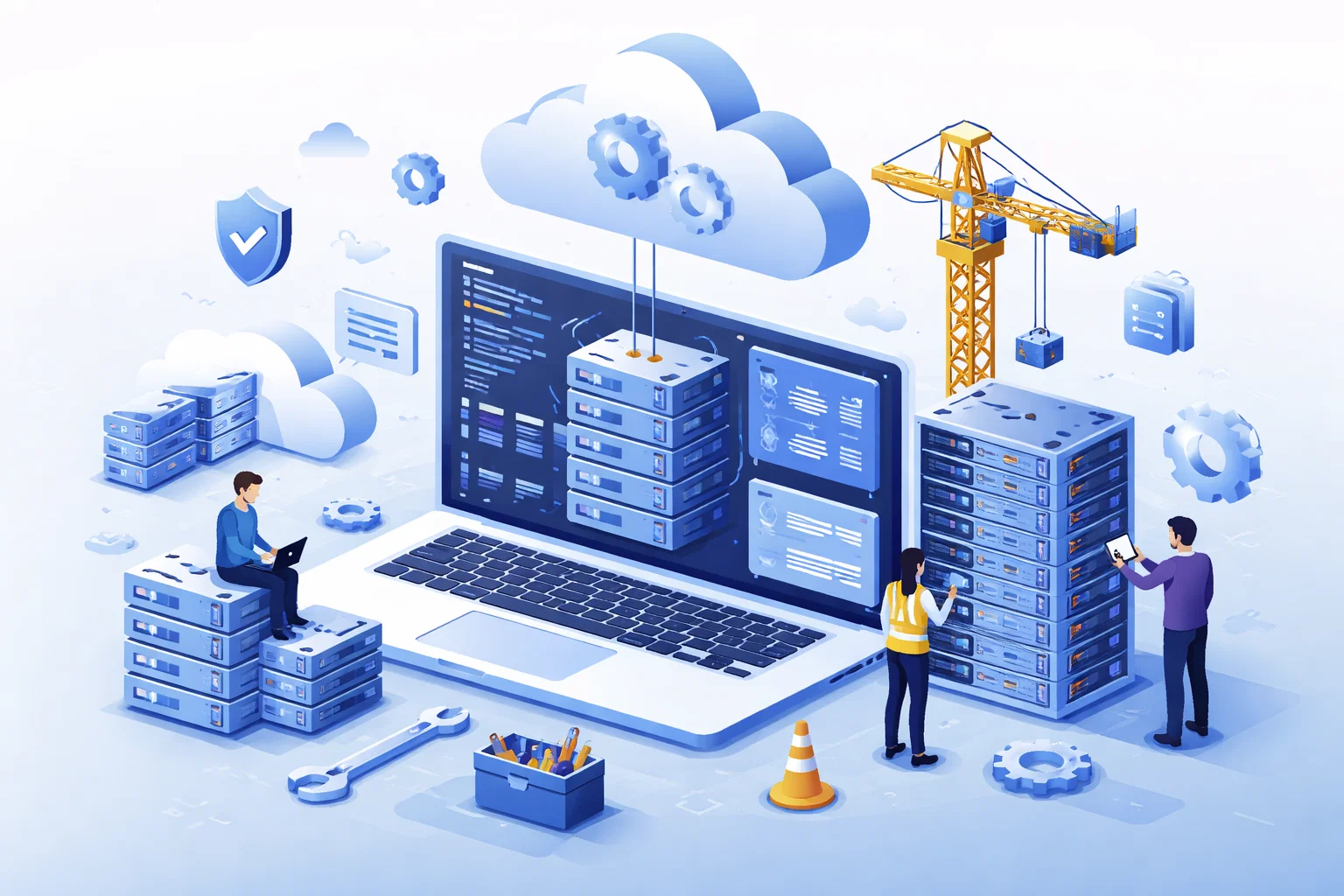
Here are issues I see repeatedly across industries:
Problem 1: “Our app is slow when traffic increases.”
This issue occurs when a system is not designed to handle growth. As user traffic rises, response times increase, pages load slowly, and crashes become more frequent—directly hurting user experience and revenue.
Root cause:
Poorly structured APIs
APIs that are badly designed or overloaded force systems to make too many requests or return unnecessary data.
This increases server load, slows down responses, and creates bottlenecks across the entire platform.
No caching
Without caching, the system repeatedly processes the same requests and database queries.
This wastes resources and significantly increases response times during high-traffic periods.
Overloaded databases
When databases are not optimized or properly scaled, they struggle to handle concurrent users.
This leads to slow queries, timeouts, and system-wide performance issues.
No load balancing
Without load balancing, all traffic hits a single server or service.
This creates a single point of failure and limits the platform’s ability to distribute and manage high volumes of users.
Backend solution:
Scalable architecture
Scalable systems are built to grow with user demand.
They separate services, distribute workloads, and allow components to expand without disrupting the entire platform.
Redis/Memcached caching
Caching stores frequently accessed data in memory, reducing repeated database calls.
This dramatically improves response times and lowers server and infrastructure load.
Optimized queries
Optimizing database queries reduces execution time and resource consumption.
Proper indexing and data modeling ensure faster searches and smoother application performance.
Auto-scaling infrastructure
Auto-scaling automatically adds or removes server resources based on traffic.
This keeps applications fast during peak times while controlling costs during low usage.
Result:
Platforms that support 100 users or 1 million without rewriting everything.
Problem 2: “We spend too much time doing manual work.”
This problem appears when systems don’t communicate and processes rely on human effort. Teams waste hours on repetitive tasks, increasing errors, costs, and operational delays.
Root cause:
No automation layer
When no automation exists, routine processes like data entry, confirmations, and reporting must be done manually.
This slows operations and increases the risk of costly mistakes.
Tools not integrated
Disconnected tools force teams to move data between systems by hand.
This creates inconsistencies, duplicated work, and major productivity loss.
Data trapped in silos
When systems store data separately, insights and workflows break down.
Teams cannot access a single source of truth, making scaling and optimization difficult.
Backend solution:
Workflow automation
Automation engines handle tasks such as lead routing, order processing, invoicing, and notifications.
This reduces manual effort and ensures processes run consistently.
CRM, payment, and ERP integrations
Integrating core business tools allows information to sync automatically across departments.
This creates smoother operations, faster decision-making, and better customer experiences.
Event-driven systems
Event-driven architecture triggers actions instantly when something happens in the system.
This enables real-time automation, faster responses, and smarter business logic.
Result:
Lower staffing costs, faster operations, fewer errors.
Problem 3: “We are worried about data and security.”
Many businesses face risks of breaches, data loss, or unauthorized access. Weak security measures can damage trust, lead to regulatory penalties, and compromise sensitive information.
Root cause:
Weak authentication
Simple or inconsistent login systems allow unauthorized users to access accounts.
Poor authentication exposes your platform to hacks, fraud, and data theft.
Poor encryption
Storing or transmitting data without encryption leaves it vulnerable to interception and misuse.
Sensitive information like passwords, payment data, or personal records can be exposed.
No monitoring
Without monitoring, suspicious activity or breaches go unnoticed.
This delays responses to attacks, increasing the impact of security incidents.
Outdated dependencies
Old libraries, plugins, or frameworks can contain known vulnerabilities.
Failing to update dependencies exposes your system to security exploits.
Backend solution:
OAuth and role-based access
Secure authentication methods control who can access what.
OAuth and role-based access limit exposure and enforce user-specific permissions across the platform.
Encrypted storage
Encryption protects data both in transit and at rest.
Even if a breach occurs, sensitive information remains unreadable and safe.
Logging and threat detection
Real-time logging tracks activity, while threat detection tools identify anomalies or attacks early.
This enables rapid response and minimizes potential damage.
Secure API gateways
APIs are protected through gateways that authenticate requests, enforce security rules, and prevent malicious access.
This ensures safe communication between systems and external services.
Result:
Compliance readiness, customer trust, and lower breach risk.
Backend Technologies That Dominate 2026

From hands-on project experience, these ecosystems dominate because they scale well, hire easily, and integrate fast.
High-adoption backend languages:
These programming languages dominate backend development due to their scalability, ecosystem support, and ability to handle modern application demands.
Choosing the right language impacts performance, developer productivity, and long-term maintainability.
JavaScript
Node.js allows JavaScript to run on the server side, enabling fast, real-time applications like chat apps, collaborative tools, and live dashboards.
Its asynchronous nature makes it ideal for high-concurrency workloads.
Python
Python is widely used for web applications, AI, automation, and data-driven platforms.
Frameworks like Django and Flask accelerate backend development while keeping code clean and maintainable.
Java
Java is a robust, object-oriented language ideal for enterprise applications, banking systems, and large-scale e-commerce platforms.
Its reliability and strong ecosystem make it a favorite for mission-critical systems.
Go
Go (Golang) is a lightweight, high-performance language perfect for microservices, APIs, and systems requiring concurrency.
Its simplicity and speed make it ideal for scalable cloud applications.
Rust (for performance-critical systems)
Rust is gaining traction for backend systems where safety, concurrency, and performance are paramount.
It’s often used in finance, blockchain, and security-sensitive applications due to its memory-safe design.
Leading frameworks:
Express / NestJS (Node)
Express is a minimalist framework for building web APIs and real-time applications quickly.
NestJS builds on Node.js to provide structured, scalable architectures for enterprise-grade applications.
Django / FastAPI (Python)
Django offers an all-in-one “batteries-included” approach for rapid web development, while FastAPI focuses on high-performance APIs with modern Python features.
Both are widely used for scalable, data-driven applications.
Spring Boot (Java)
Spring Boot simplifies building enterprise-level Java applications with pre-configured setups for microservices, security, and database integration.
It’s trusted for large-scale, mission-critical systems.
Gin / Fiber (Go)
Gin and Fiber are lightweight Go frameworks designed for speed and efficiency.
They are ideal for building high-performance APIs, microservices, and backend systems that handle large volumes of traffic.
Database stacks:
PostgreSQL & MySQL (core systems)
These relational databases are used for structured data with clear relationships, such as user accounts, orders, and transactions.
They provide reliability, strong query capabilities, and support for large-scale business operations.
MongoDB & Firebase (real-time apps)
These NoSQL databases handle unstructured or semi-structured data, making them ideal for chat apps, social feeds, and collaborative platforms.
They offer flexible schemas and real-time updates for dynamic applications.
Redis (speed + caching)
Redis is an in-memory data store used to cache frequently accessed data, reducing database load and accelerating application response times.
It’s perfect for sessions, leaderboards, and high-speed operations.
Elasticsearch (search & analytics)
Elasticsearch powers advanced search and analytics by indexing large datasets for fast retrieval.
It’s commonly used for product searches, logs analysis, and real-time monitoring of system data.
APIs: The Nervous System of Modern Software
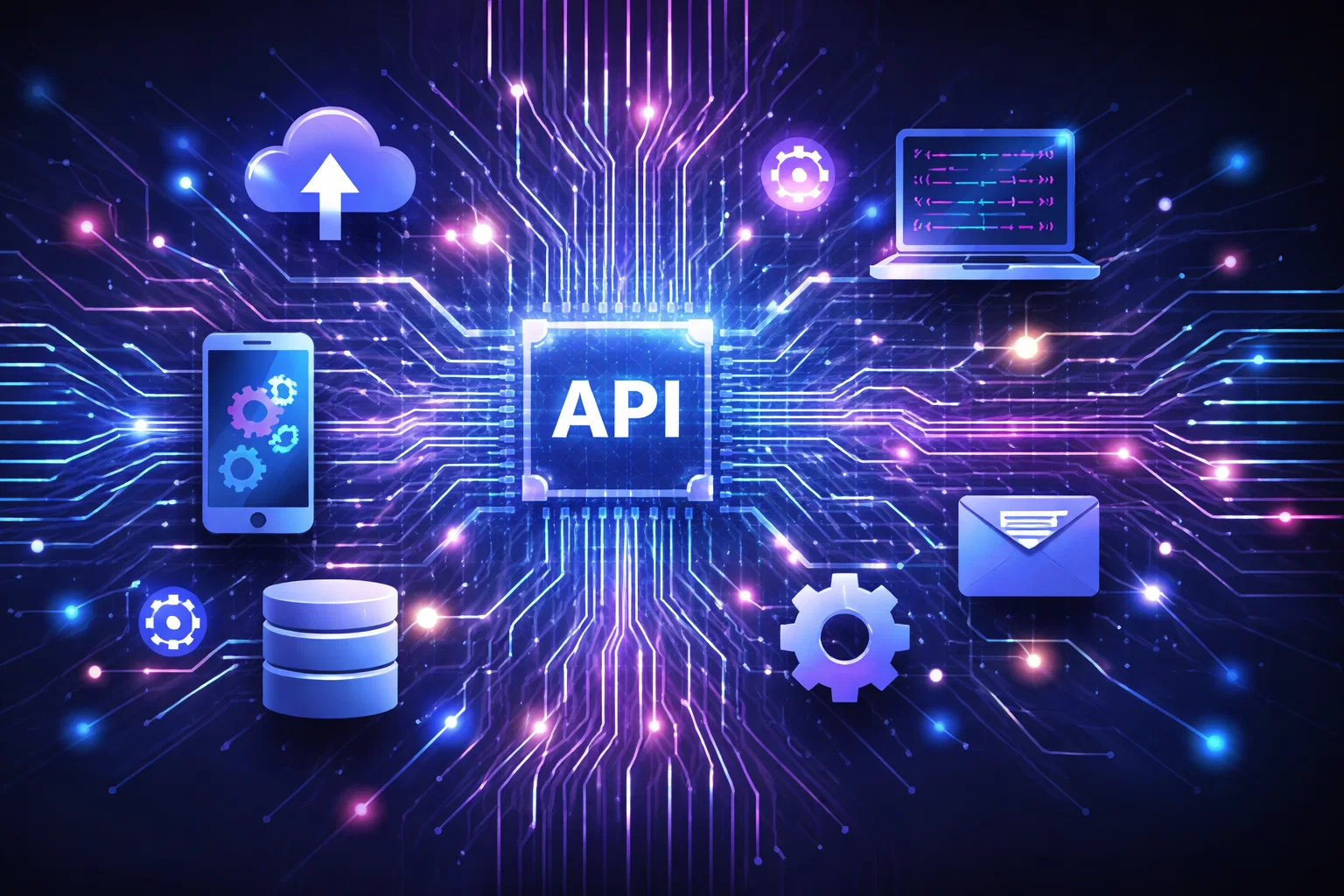
APIs are how backends communicate.
Every mobile app, SaaS platform, or AI product relies on APIs to:
Move data
APIs allow backend systems to exchange information seamlessly between databases, applications, and platforms.
Efficient data movement ensures accurate, up-to-date information across all services.
Trigger actions
APIs can initiate automated tasks when specific events occur, such as sending notifications, updating records, or processing payments.
This reduces manual work and improves workflow efficiency.
Connect services
APIs link different applications, tools, and third-party platforms, creating a unified ecosystem.
They enable integration with CRMs, payment gateways, analytics tools, and more.
In modern systems:
REST is used for stability and integrations
REST APIs rely on standard HTTP methods to create, read, update, or delete data.
They are simple, reliable, and widely supported for connecting diverse applications and services.
GraphQL is used for flexible, data-heavy apps
GraphQL allows clients to request exactly the data they need, reducing unnecessary data transfer.
It’s ideal for mobile apps and complex platforms where bandwidth and performance matter.
Webhooks handle real-time automation
Webhooks send immediate notifications when specific events occur in a system.
They are widely used for real-time updates, such as payment confirmations or messaging triggers.
Strong API design is what allows businesses to:
Launch mobile apps quickly
Well-designed APIs provide all necessary backend data and functionality for mobile apps, allowing developers to build and release apps faster without redesigning core systems.
Integrate AI tools
APIs enable smooth connection with AI services, machine learning models, and analytics engines.
This allows businesses to deliver intelligent features like recommendations or predictive insights.
Build partner ecosystems
APIs let third-party developers or partners connect with your platform.
This creates opportunities for collaboration, marketplace expansion, and extended services.
Add features without breaking systems
Strong API design supports modular development, letting you introduce new functionality without affecting existing operations.
This ensures stability as your platform evolves.
How Cloud and DevOps Changed Backend Development
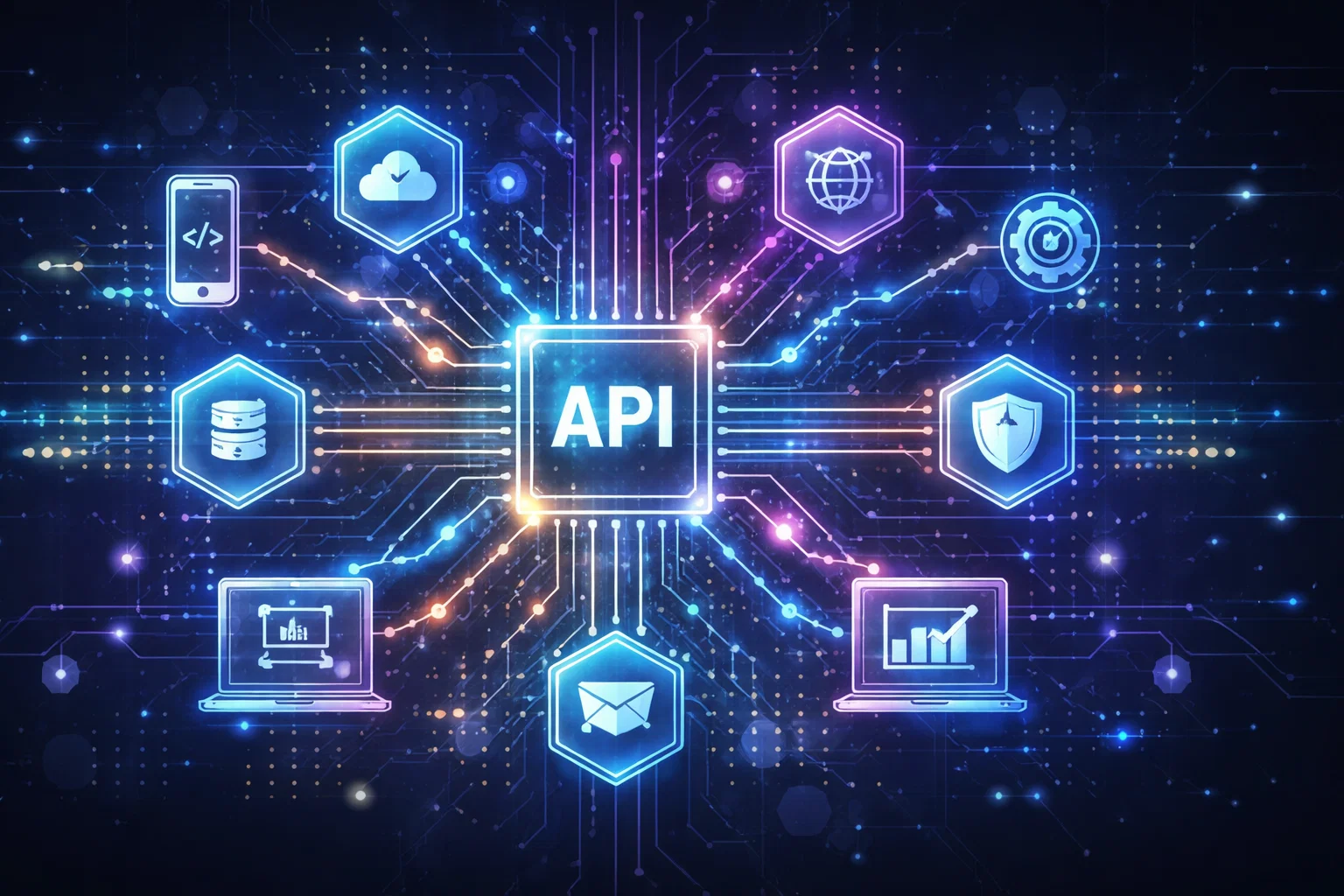
Today’s backend developers are also system architects.
Key shifts I’ve seen in recent years:
Serverless computing
Serverless computing allows developers to run code without managing servers.
The infrastructure automatically scales, reduces costs, and speeds up deployment, making it ideal for dynamic workloads.
Used when businesses want:
Automatic scaling
Serverless platforms adjust resources automatically based on demand, ensuring your application remains responsive during traffic spikes without manual intervention.
Pay-per-use costs
You only pay for the compute time your functions consume, eliminating expenses from idle servers and optimizing operational budgets.
Faster deployments
Developers can deploy new features or updates quickly, as serverless removes the overhead of managing servers or infrastructure.
Ideal for:
SaaS platforms
Serverless and containerized backends allow SaaS applications to scale effortlessly as users grow.
They ensure stable performance, faster updates, and cost-efficient resource management.
AI services
Backends for AI services manage data pipelines, model inference, and real-time processing.
Scalable infrastructure ensures AI-powered features work efficiently for all users.
Event processing
Backend systems can automatically respond to events like user actions, payments, or notifications.
This enables real-time updates, alerts, and workflows without manual intervention.
Automation pipelines
Automation pipelines streamline repetitive tasks such as data syncing, reporting, or messaging.
Well-designed backends reduce operational overhead and improve overall efficiency.
Containers and orchestration
Containers package applications and their dependencies for consistent, portable deployments, while orchestration tools like Kubernetes manage them at scale.
Together, they improve reliability, speed, and operational efficiency for modern platforms.
Docker and Kubernetes now dominate serious platforms.
They allow:
Faster releases
Containers provide a consistent environment across development, testing, and production, allowing teams to deploy new features and updates quickly without unexpected issues.
Predictable deployments
Orchestration ensures applications run reliably in any environment, minimizing errors and downtime while maintaining operational stability.
Multi-region stability
Kubernetes and similar tools manage distributed applications across multiple regions, ensuring global availability and consistent performance for users everywhere.
Fault isolation
Containers isolate services and components, so failures in one part of the system don’t affect the rest.
This improves resilience and reduces downtime for critical applications.
This is how modern fintech, SaaS, and streaming platforms stay online 24/7.
Step-by-Step: How a Strong Backend Is Built
Here is the process we follow on serious backend projects:
Step 1: Business modeling
Before writing any code, it’s critical to define your business requirements and processes.
Clear modeling ensures the backend supports real operational needs, reduces wasted effort, and prevents costly failures.
Before code:
What actions must the system support?
Identify the core tasks your platform needs to perform, such as user interactions, transactions, reporting, and integrations.
This guides backend functionality and system design.
What must be automated?
Determine repetitive processes like notifications, workflows, and data syncing that can be automated.
Automation reduces manual work, errors, and operational overhead.
What data drives growth?
Identify which metrics, user behavior, or transaction data are critical for business insights.
Proper data planning ensures the backend can capture and leverage information for decision-making.
What will scale?
Plan for components that need to handle growth, such as user numbers, transactions, or data volume.
This helps design a backend that remains stable and efficient as the business expands.
Most backend failures happen here.
Step 2: Architecture design
In this phase, the backend’s blueprint is created to define how components interact, handle data, and support business needs.
Thoughtful architecture ensures scalability, security, and maintainability.
We define:
Services and responsibilities
Clearly define each service’s purpose and responsibilities within the system.
This prevents overlap, reduces complexity, and supports modular, scalable development.
Data ownership
Decide which services or components are responsible for specific data.
Proper data ownership prevents inconsistencies, ensures accountability, and simplifies maintenance.
Security boundaries
Establish limits and rules for data access, authentication, and service communication.
Clear boundaries protect sensitive information and reduce the risk of breaches.
Growth projections
Plan for future user load, data volume, and feature expansion.
Accurate projections guide infrastructure choices and prevent costly refactoring as the platform scales.
This prevents future rewrites.
Step 3: Core system development
Includes:
API creation
APIs form the bridge between frontend and backend systems.
Well-designed APIs enable secure data exchange, real-time updates, and seamless integration with third-party tools.
Database modeling
Database modeling defines how data is structured, related, and accessed.
Proper modeling ensures fast queries, reliable storage, and scalability as your platform grows.
Authentication
Authentication manages user identity and access rights.
Strong authentication keeps accounts secure and prevents unauthorized actions across your system.
Payment logic
Payment logic handles transactions, subscriptions, refunds, and invoicing.
A reliable backend ensures payments are processed securely, accurately, and efficiently.
Admin controls
Admin controls give teams the ability to manage users, content, and system settings.
They provide oversight, improve operational efficiency, and allow quick responses to issues.
Everything is built test-first and security-first.
Step 4: Scalability and protection
At this stage, the backend is fortified to handle growth and mitigate risks.
Proper monitoring, backups, and optimization ensure reliability, security, and consistent performance under load.
We implement:
Monitoring
Real-time monitoring tracks system health, traffic, and errors.
It allows teams to detect and fix issues quickly before they affect users.
Backups
Regular backups safeguard data against loss, corruption, or accidental deletion.
This ensures business continuity and disaster recovery readiness.
Rate limiting
Rate limiting controls the number of requests a user or service can make.
It prevents abuse, reduces server strain, and maintains performance under high traffic.
Logging
Logs record system events, errors, and user actions.
They are essential for troubleshooting, auditing, and strengthening security.
Performance optimization
This involves refining code, queries, caching, and infrastructure.
Optimized systems respond faster, handle more traffic, and deliver a smoother user experience.
This is where professional systems differ from hobby projects.
Step 5: Automation and integration
In this phase, the backend connects with other platforms to streamline operations and enable smart workflows.
Integration reduces manual work and ensures data flows seamlessly across systems.
We connect:
CRMs
Connecting customer relationship management systems centralizes user data, automates lead management, and improves customer interactions.
Analytics
Integrating analytics tools allows real-time insights into user behavior, system performance, and business metrics for informed decisions.
AI models
Backend integration with AI enables features like predictions, recommendations, and intelligent automation directly within applications.
Marketing tools
Integration with marketing platforms automates campaigns, personalized messaging, and audience targeting, enhancing engagement and ROI.
Accounting systems
Connecting accounting platforms ensures accurate financial tracking, automated invoicing, and easier regulatory compliance.
This is where backend systems start generating ROI.
Case Example: Rebuilding a SaaS Backend

One SaaS client came to us after their platform collapsed under growth.
They had:
A single overloaded database
Relying on one database to handle all traffic can create bottlenecks.
Overloaded databases slow queries, increase latency, and risk crashes during peak usage.
No caching
Without caching, repeated queries hit the database every time, wasting resources and slowing response times.
Caching improves speed and reduces server load.
Hard-coded logic
Embedding business rules directly into code makes updates difficult and inflexible.
Hard-coded logic slows feature rollout and increases the risk of errors during changes.
Frequent outages
Unreliable infrastructure or poor backend design leads to downtime.
Frequent outages frustrate users, reduce trust, and can cause significant revenue loss.
We rebuilt their backend using:
Modular services
Breaking the backend into independent modules or microservices improves maintainability and scalability.
Each service handles specific tasks, allowing updates or fixes without affecting the whole system.
Event-driven workflows
Workflows triggered by events automate business processes like notifications, payments, or data updates.
This ensures real-time responsiveness and reduces manual effort.
PostgreSQL + Redis
Using PostgreSQL for structured data and Redis for caching combines reliability with speed.
This hybrid approach optimizes performance while maintaining data integrity.
Containerized deployment
Deploying applications in containers (like Docker) ensures consistency across environments, faster releases, and easier scaling.
Containers isolate services to prevent failures from spreading.
Automated monitoring
Continuous monitoring tracks performance, errors, and security threats.
Automated alerts allow teams to respond quickly, ensuring system stability and minimizing downtime.
Results after 4 months:
5x traffic capacity
Optimized backend architecture allows your platform to handle five times more users or requests without slowing down.
This supports growth and prepares your system for high-demand periods.
62% faster response time
Performance improvements like caching, query optimization, and modular services reduce page load and API response times.
Faster responses enhance user experience and engagement.
Near-zero downtime
With scalable infrastructure, load balancing, and automated monitoring, your system remains reliably online.
Minimal downtime builds trust and ensures uninterrupted operations.
Support costs reduced by 40%
Automation, event-driven workflows, and robust integrations cut manual work and repetitive support tasks.
Teams can focus on growth rather than troubleshooting, saving significant operational costs.
Their frontend never changed. Their business performance did.
Skills That Define Backend Engineers in 2026
Today’s backend developers are not just coders.
They understand:
System design
System design defines the overall structure and interactions of your backend components.
Thoughtful design ensures scalability, maintainability, and the ability to meet evolving business needs.
Database engineering
Database engineering focuses on designing, structuring, and optimizing data storage.
Efficient databases support fast queries, reliable transactions, and seamless growth.
Security architecture
Security architecture establishes protocols, access controls, and encryption standards.
Strong architecture protects data, prevents breaches, and ensures regulatory compliance.
Performance optimization
Performance optimization improves response times, reduces latency, and maximizes resource efficiency.
This ensures fast, reliable experiences for end users.
Cloud infrastructure
Cloud infrastructure leverages services like AWS, Azure, or Google Cloud to provide scalable, resilient, and cost-effective backend environments.
It supports flexible deployments and global availability.
AI and automation pipelines
AI and automation pipelines enable predictive analytics, intelligent workflows, and process automation.
They reduce manual effort and power advanced features across platforms.
The most valuable backend engineers are those who can connect technical decisions to business outcomes.
The Growing Role of AI in Backend Systems

Modern backends increasingly power:
Recommendation engines
Recommendation engines analyze user behavior and preferences to suggest products, content, or services.
They boost engagement, conversions, and personalization on digital platforms.
Fraud detection
AI-driven fraud detection identifies suspicious patterns and transactions in real time.
This protects businesses and users from financial loss and security breaches.
Chatbots and copilots
Chatbots and AI copilots provide instant customer support and guided interactions.
They reduce response times, automate repetitive tasks, and improve user satisfaction.
Predictive analytics
Predictive analytics leverages historical and real-time data to forecast trends, user behavior, and system performance.
It helps businesses make informed, proactive decisions.
Smart automation
AI-powered automation streamlines workflows, triggers actions, and optimizes processes.
It reduces manual effort, increases efficiency, and enables scalable operations.
Backend developers now build:
AI data pipelines
AI data pipelines collect, clean, and transform data for machine learning models.
They ensure high-quality, reliable datasets that power accurate predictions and intelligent features.
Model inference APIs
Inference APIs allow applications to use trained AI models in real time.
They deliver predictions, recommendations, or classifications directly to users or services.
Vector databases
Vector databases store high-dimensional embeddings for AI models, enabling fast similarity searches.
They power features like semantic search, recommendations, and content matching.
Real-time personalization engines
These engines use AI and user data to adapt experiences instantly, such as custom content, offers, or workflows.
Real-time personalization improves engagement and conversion rates.
AI without a strong backend fails. Strong backends are what make AI usable.
Conclusion:
From every serious project I’ve worked on, one truth remains constant:
Frontends attract users. Backends determine whether a business survives.
Backend development is where:
- Revenue systems live
- Data becomes intelligence
- Automation replaces cost
- Platforms become scalable assets
If you are building a product, running a SaaS business, or planning digital transformation in 2025, backend development is not a technical detail.
It is your foundation.
And foundations decide how high you can build.
What Is Backend Development: FAQs
Backend development refers to the server-side of applications that powers functionality, data storage, and business logic. It’s crucial because it ensures websites, apps, and platforms run smoothly, securely, and scale efficiently as traffic grows.
Popular backend languages include JavaScript (Node.js) for real-time apps, Python for AI and automation, Java for enterprise systems, Go for scalable microservices, and Rust for high-performance, secure applications.
APIs move data, trigger actions, and connect services. Properly designed REST or GraphQL APIs enable fast integrations, real-time updates, AI tool connections, and modular feature expansion without breaking existing systems.
Frequent issues include overloaded databases, no caching, hard-coded logic, security vulnerabilities, slow scaling, and frequent outages. These problems impact performance, user experience, and operational costs.
Solutions include modular services, event-driven workflows, caching with Redis, containerized deployments, automated monitoring, strong authentication, encrypted storage, and API gateways. These practices improve performance, reliability, and protection against threats.
About the Author
Paras Dabhi
VerifiedFull-Stack Developer (Python/Django, React, Node.js) · Stellar Code System
Hi, I’m Paras Dabhi. I build scalable web applications and SaaS products with Django REST, React/Next.js, and Node.js. I focus on clean architecture, performance, and production-ready delivery with modern UI/UX.

Paras Dabhi
Stellar Code System
Building scalable CRM & SaaS products
Clean architecture · Performance · UI/UX